
Where Knowledge Meets Practice
Ready to get hands-on? Our workshops are where knowledge meets practice. From essential clinical skills to specialized techniques, each session is crafted to give you real, applicable experience alongside experts in the field. With small group settings and limited seats, you’ll get the most out of every minute—so make sure to secure your spot early.
07.05
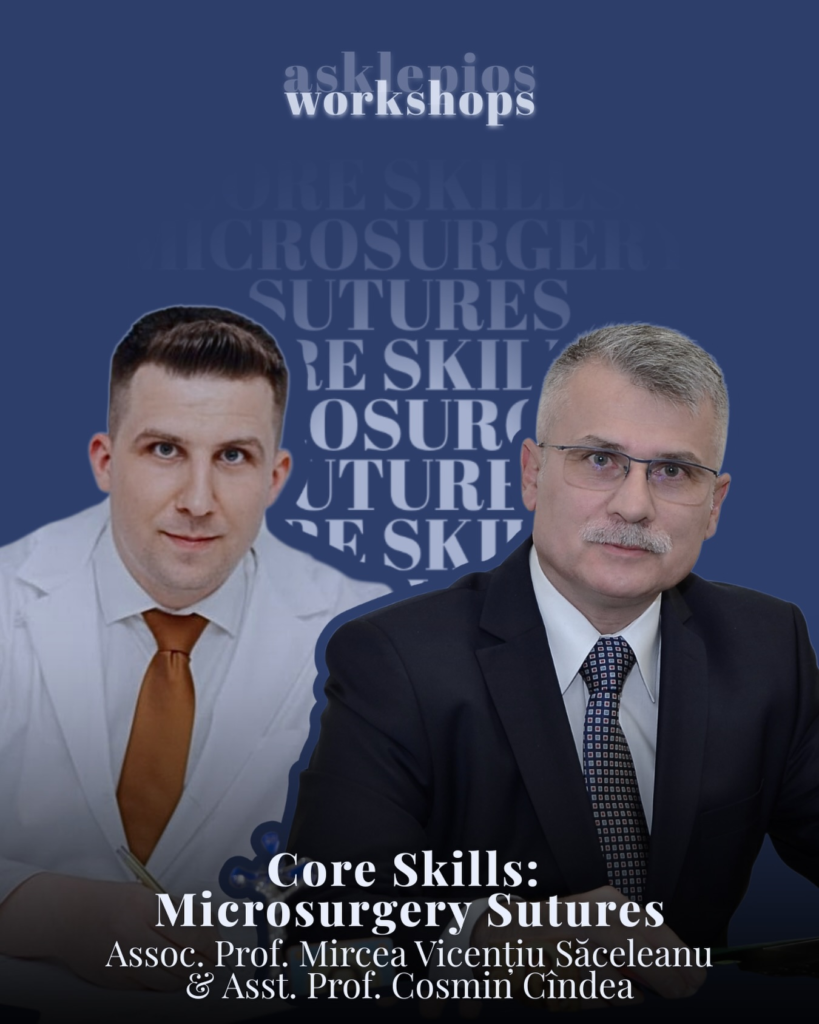
This hands-on workshop provides in-depth training in microsurgical suturing techniques performed under the microscope. Participants will refine precision, hand–eye coordination, and fine motor control, essential for high-level surgical practice. Particularly valuable for future neurosurgeons, plastic surgeons, and vascular surgeons, the workshop offers a unique opportunity to develop foundational skills in a highly specialized field.
This simulation-based workshop takes place in the faculty’s SimLab and focuses on Acute Respiratory Distress Syndrome (ARDS), a severe and frequently encountered condition in intensive care settings. Participants will explore its pathophysiology, diagnosis, and management through realistic clinical scenarios. Emphasis is placed on rapid decision-making and multidisciplinary care in respiratory emergencies.
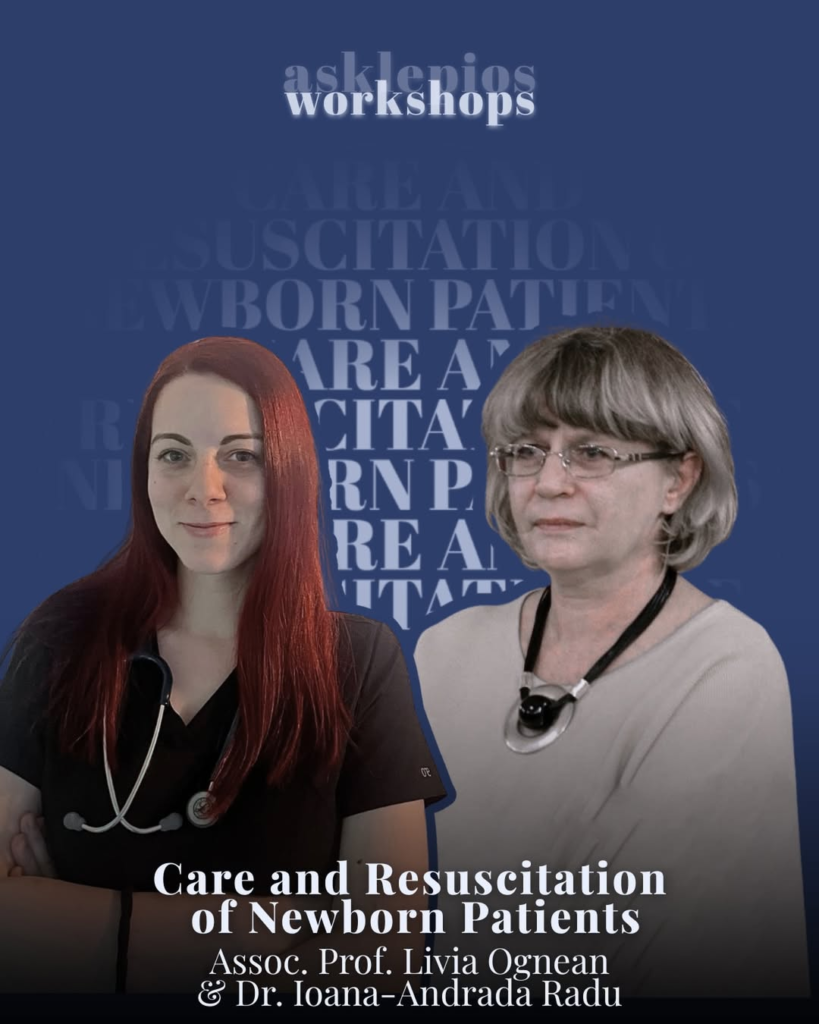
Dedicated to senior medical and nursing students, this workshop covers essential neonatal care and resuscitation techniques. Participants will practice procedures such as venous access, nasogastric tube placement, intubation, and neonatal resuscitation.
Addressing a highly relevant and sensitive topic, this workshop explores the medico-legal aspects of femicide and violence against women. Participants will gain insight into forensic investigation, legal implications, and the physician’s role in such complex cases.
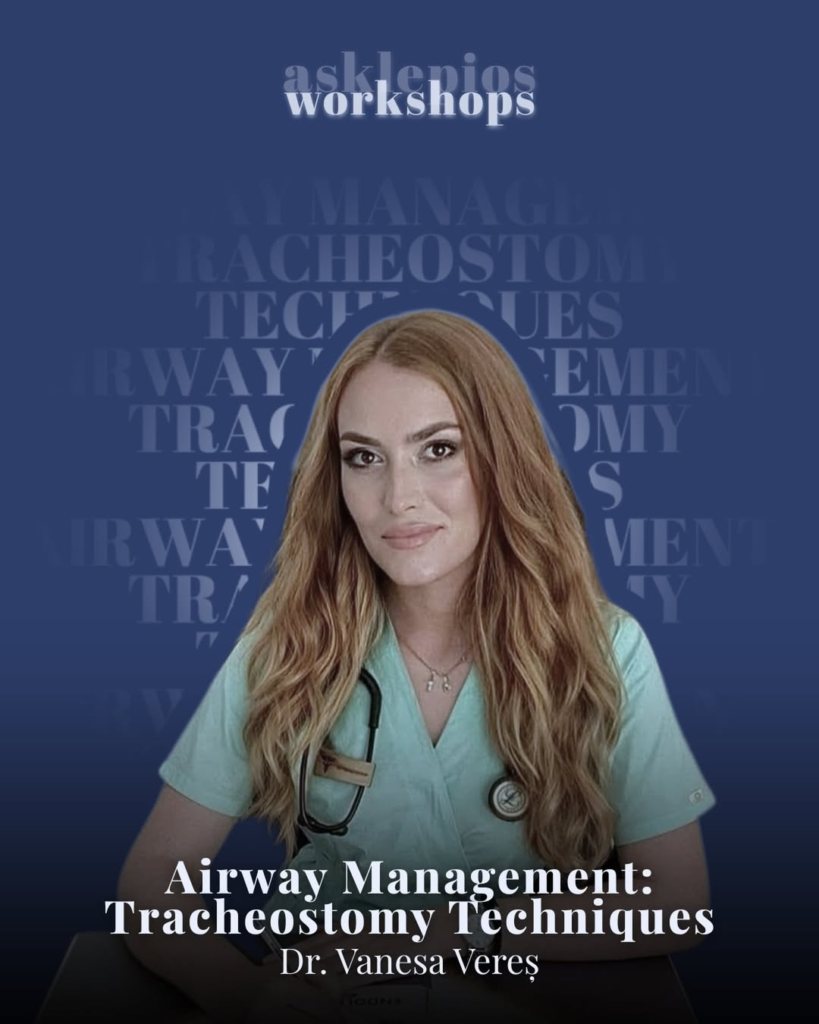
This hands-on workshop provides essential training in tracheostomy techniques using bovine trachea models. Participants will practice cannula insertion, fixation through suturing, and gain a deeper understanding of airway anatomy. Basic knot-tying and suturing skills are recommended for optimal learning.
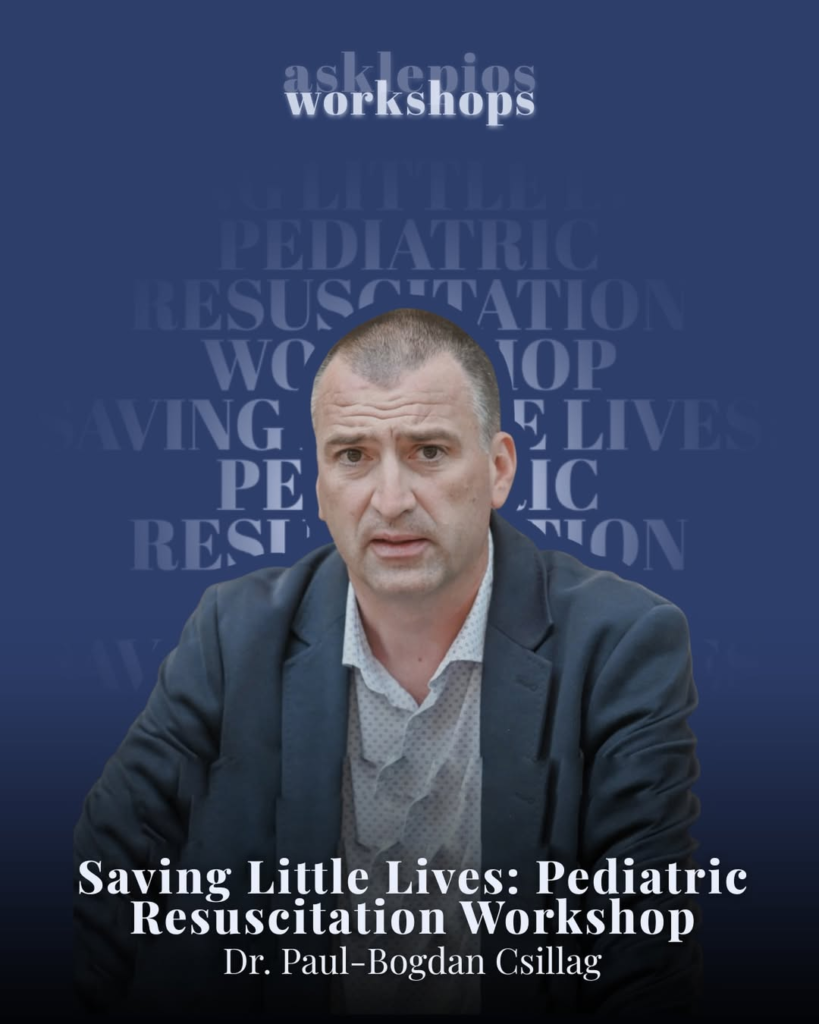
Focused on life-saving interventions in children, this workshop offers practical training in pediatric resuscitation using dedicated mannequins. Participants will learn essential techniques adapted to pediatric physiology, emphasizing rapid response and teamwork in critical situations.
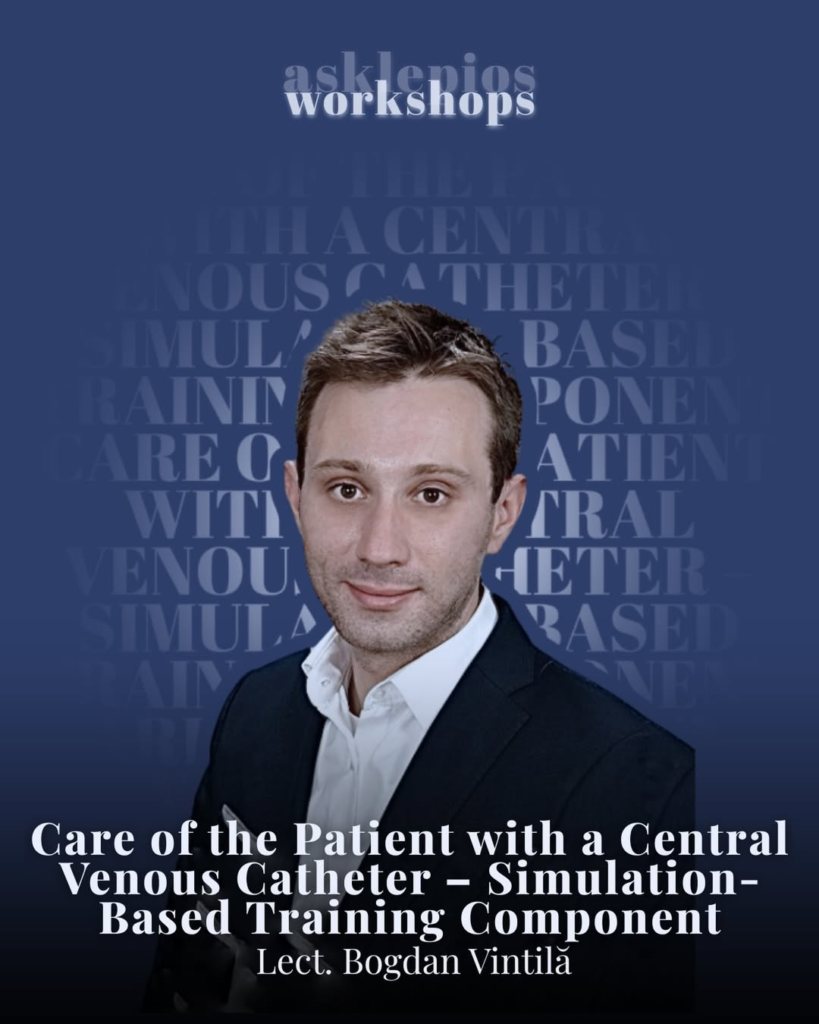
This simulation-based workshop focuses on the essential principles of managing patients with central venous catheters. Conducted in a realistic training environment, participants will practice key techniques, improve clinical decision-making, and develop hands-on skills. Particularly suited for nursing students, it emphasizes safe and effective patient care.
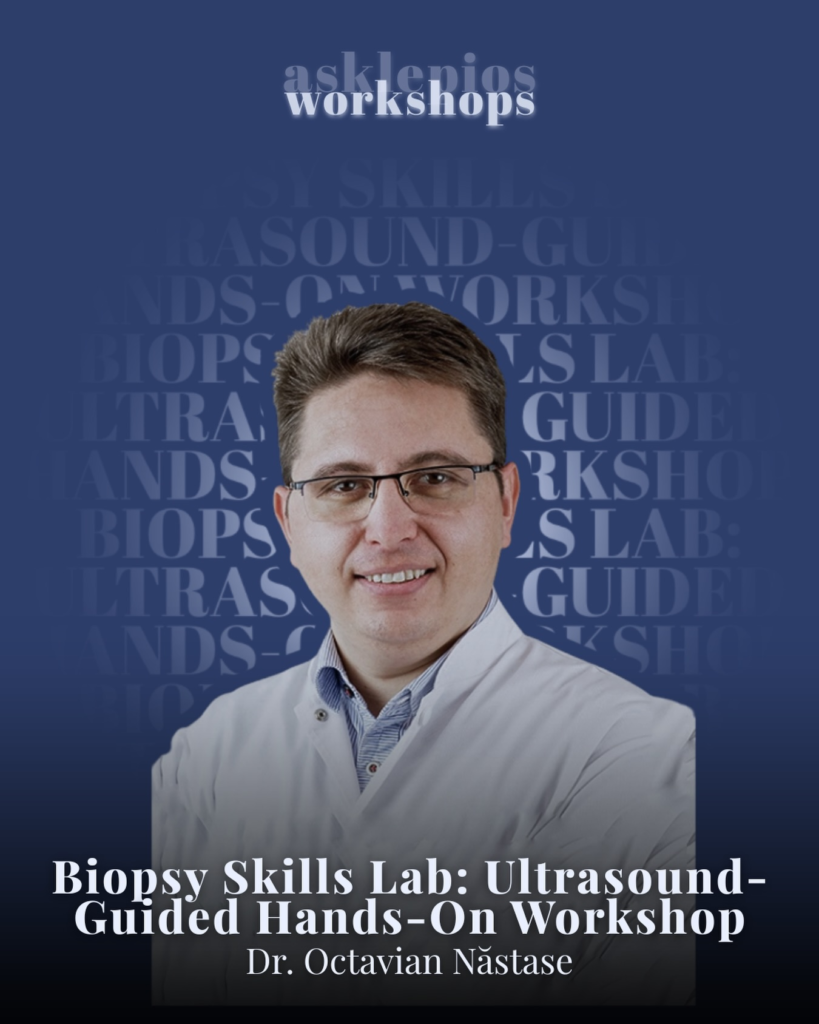
This hands-on workshop introduces the fundamentals of ultrasound-guided biopsy techniques using simulation models. Participants will understand the indications, methods, and clinical relevance of biopsies while developing practical skills.
This interactive workshop introduces participants to Transcatheter Aortic Valve Implantation (TAVI), a cutting-edge procedure in interventional cardiology. Using specialized equipment provided by Medtronic, attendees will explore procedural steps and device handling in a simulated environment.
08.05
Led by a psychologist, this workshop focuses on emotional self-regulation in medical practice. Participants will learn strategies to manage stress, improve resilience, and maintain professional well-being in challenging clinical environments.
Held within the XR Lab of the Center of Innovation and e-Health, this workshop uses immersive technologies to explore neuroanatomy in 3D. Participants will engage in interactive learning and simulated neurosurgical planning, bridging anatomy with clinical application.
Designed for both physiotherapy (BFKT) and general medicine students, this workshop explores modern technologies and evidence-based techniques used in physical medicine and rehabilitation. Participants will gain hands-on exposure to therapeutic approaches, focusing on functional recovery, patient-centered care, and interdisciplinary collaboration. The session highlights the practical integration of rehabilitation strategies into clinical practice.
This hands-on workshop offers an in-depth introduction to essential gastrointestinal surgical techniques. Participants will practice suturing on gastric and duodenal ulcers, as well as perform anastomoses, while reinforcing their understanding of GI anatomy. Emphasis is placed on surgical precision, technique, and intraoperative thinking. Basic knot-tying and suturing skills are recommended for optimal participation.
This workshop provides practical training in the use of insulin pumps and glucose monitoring systems, with materials provided by Dexcom. Participants will learn device setup, proper monitoring techniques, and key principles in diabetes management.
Hosted at RMN Diagnostica Clinic, this workshop familiarizes participants with advanced imaging techniques used in modern clinical practice. Attendees will explore MRI, CT, DEXA, and X-ray applications in a real clinical environment.
Conducted in the faculty’s simulation center, this workshop offers a comprehensive introduction to ultrasound imaging, combining core theoretical principles with extensive hands-on practice. Participants will perform abdominal and pelvic scans using portable devices, developing essential skills in image acquisition, probe handling, and basic interpretation. Emphasis is placed on clinical applicability and building confidence in real-life scenarios.
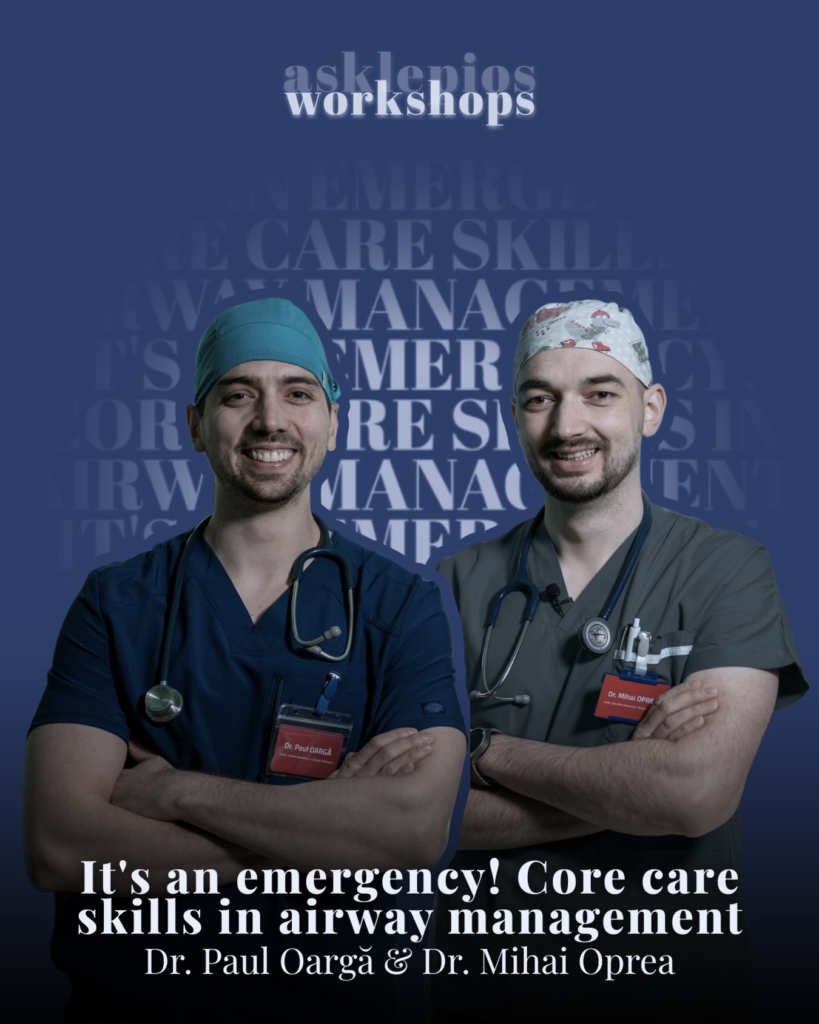
Led by special guest physicians Dr. Paul Oargă and Dr. Mihai Oprea, specialists in Emergency Medicine and Intensive Care, this workshop provides essential training in airway management during critical situations. Participants will develop practical skills in rapid assessment and life-saving interventions, guided by experienced clinicians in a dynamic, hands-on environment.
09.05
This hands-on workshop provides in-depth training in microsurgical suturing techniques performed under the microscope. Participants will refine precision, hand–eye coordination, and fine motor control, essential for high-level surgical practice. Particularly valuable for future neurosurgeons, plastic surgeons, and vascular surgeons, the workshop offers a unique opportunity to develop foundational skills in a highly specialized field.
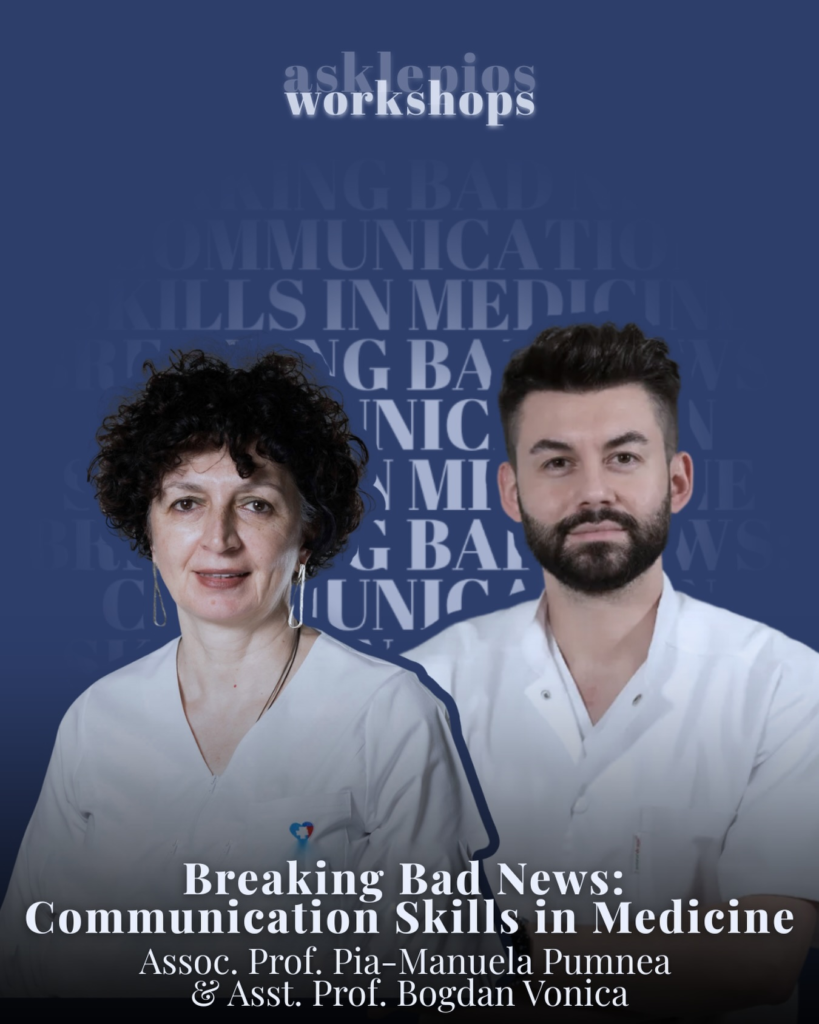
This workshop focuses on one of the most challenging aspects of medical practice: delivering bad news. Participants will learn effective communication strategies, empathy skills, and techniques to manage patients’ emotional responses.